DE
DE FR
FR IT
IT ES
ES PL
PL


Used vs New Equipment: Pros and Cons in Today’s Market
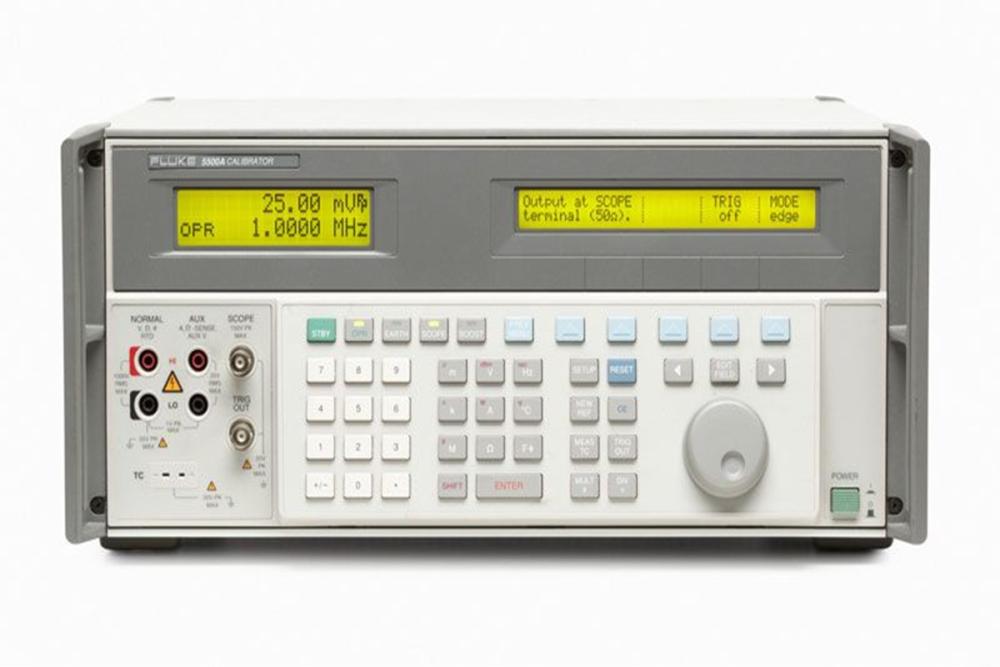
Buying used instead of new can save significant money and lead time, but it comes with higher risk and less customization. In today’s market of long lead times and tight budgets, used is often attractive for many B2B buyers, especially if they work with reputable refurbishers.
Key advantages of used equipment
- Lower upfront cost and faster ROI: Used equipment typically costs substantially less than new, freeing capital for other priorities and shortening payback periods for projects.
- Shorter lead times: New equipment can involve weeks or months of manufacturer lead time, while used stock is often available immediately, which helps when deadlines are tight or supply chains are disrupted.
- Proven reliability and known models: Established, older models often have known performance characteristics and plenty of user experience, documentation, and spares in the market, which can make support and troubleshooting easier.
- Sustainability and ESG benefits: Extending the life of existing equipment reduces waste and demand for new manufacturing, supporting circular‑economy and environmental goals many companies now track.
Main drawbacks of used equipment
- Shorter remaining lifespan: Even if refurbished and calibrated, used items have already consumed part of their usable life, which can shorten the period before replacement or major service is needed.
- Limited warranty and support: Warranties on used equipment are usually shorter and more limited than OEM new, and manufacturer support or firmware updates may be reduced or discontinued for older models.
- Less customization and configuration options: New equipment can often be factory‑configured with specific options, software, and accessories, whereas used stock is constrained to what is available in the secondary market.
- Higher risk if vendor isn’t vetted: Poor refurbishment, missing documentation, or non‑original parts can lead to reliability or compliance issues, so due diligence on the supplier is critical.
When buying used makes sense today
- Budget‑constrained projects where value is more important than cutting‑edge features.
- Fast‑track projects that cannot wait for manufacturer lead times or global supply chain delays.
- Standardized applications that do not require the latest specs but need proven, reliable tools with good availability of spares and accessories.
When buying new is still better
- Mission‑critical applications where downtime costs are very high and maximum warranty, service contracts, and OEM support are essential.
- Situations requiring the latest performance, features, or regulatory updates (for example, new standards, security features, or software integration that older models do not support).
- Highly customized systems where factory configuration, long‑term roadmap alignment, and guaranteed parts availability are strategic priorities.
Practical takeaway for buyers
These points can be turned directly into blog sections: “Cost and ROI,” “Lead Time and Availability,” “Support and Warranty,” and “Sustainability and Compliance,” each comparing used vs new and closing with practical buying tips for your readers.
Need help finding the right equipment for your business?
Contact us for expert advice
Contact us for expert advice